Better for Bees, Better for the Planet
The Bee Better Certified® program works with farmers of operations both large and small to utilize regenerative agricultural practices that protect biodiversity, improve soil health, and mitigate impacts from the use of pesticides.


Bee Better Certified farmers grow an array of crops: from almonds to blueberries, vegetables, apples, wine grapes, and more. Certified farmers agree to meet the requirements of our production standards and have their pollinator protection measures verified by an independent third-party.
LINK: Meet the requirements of our production standards
Farm-level certification is renewed (including inspection) every three years, and the licensed use of the Bee Better Seal on packaging is audited annually to protect the integrity of Bee Better Certification.

Certified Products

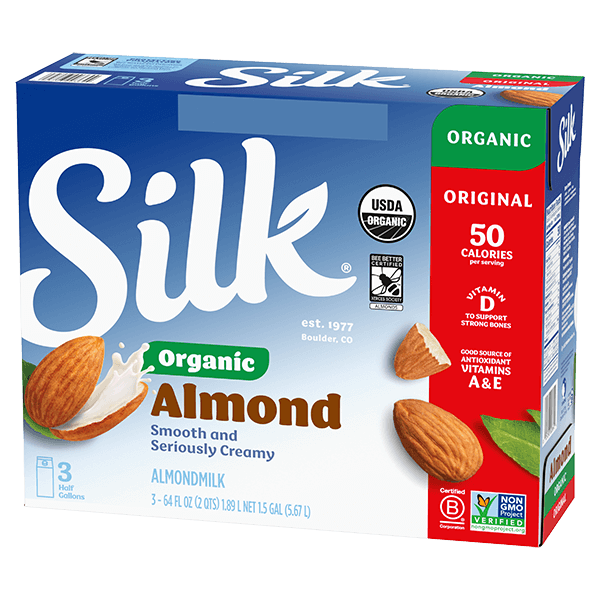
Image: SilkⓇ
Image: SilkⓇ

Reflecting the deep concern for declining biodiversity and a changing climate, a growing number of farmers and companies are turning to Bee Better Certified to adopt biodiversity focused regenerative agricultural practices throughout their supply chains.
We thank Bee Better Certified farmers, processors, supply-chain professionals, brands, and third-party certifiers for their commitment to supporting pollinators and making better places for bees within our agricultural systems.
The following companies now offer products that carry the Bee Better Certified seal which denotes that their products contain Bee Better Certified ingredients.
Please note that we do not sell, distribute, or promote the products. This list is simply to highlight—and celebrate!—the companies at the forefront of this rapidly growing movement.




Other Ways You Can Help
Community Science


Community science (sometimes referred to as “participatory science” or “citizen science”) is a form of research that provides everyone—regardless of their background—an opportunity to contribute meaningful data to further our scientific understanding of key issues.
By engaging community members, researchers can collect a larger amount of data, and often span more geographic regions, in a shorter amount of time. In turn, this data informs larger conservation efforts. It’s also a great opportunity for participants to learn more about species that interest them. It’s a win-win situation for all of us—including invertebrates!
LINK: Learn More
Bee City & Bee Campus USA

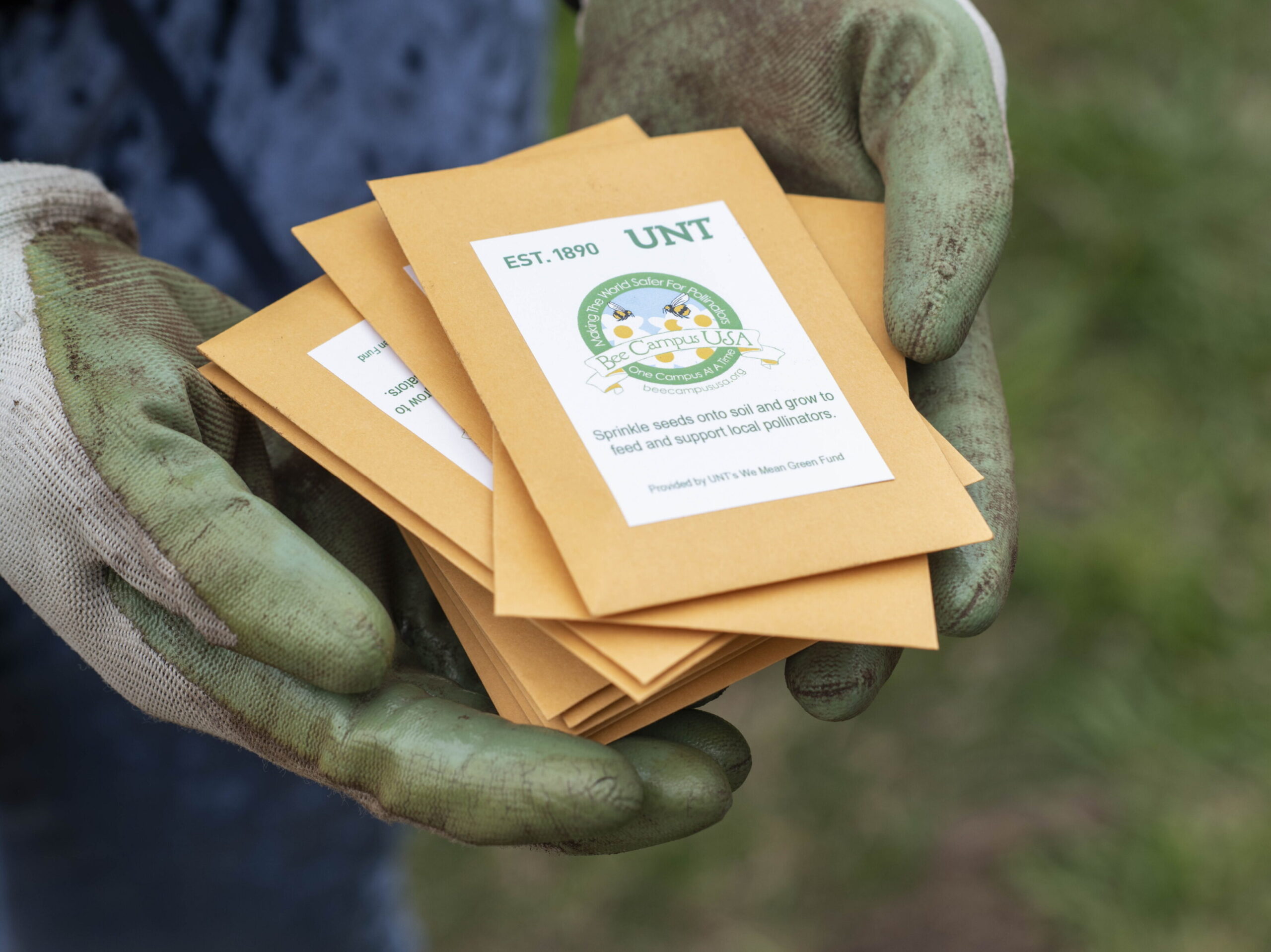
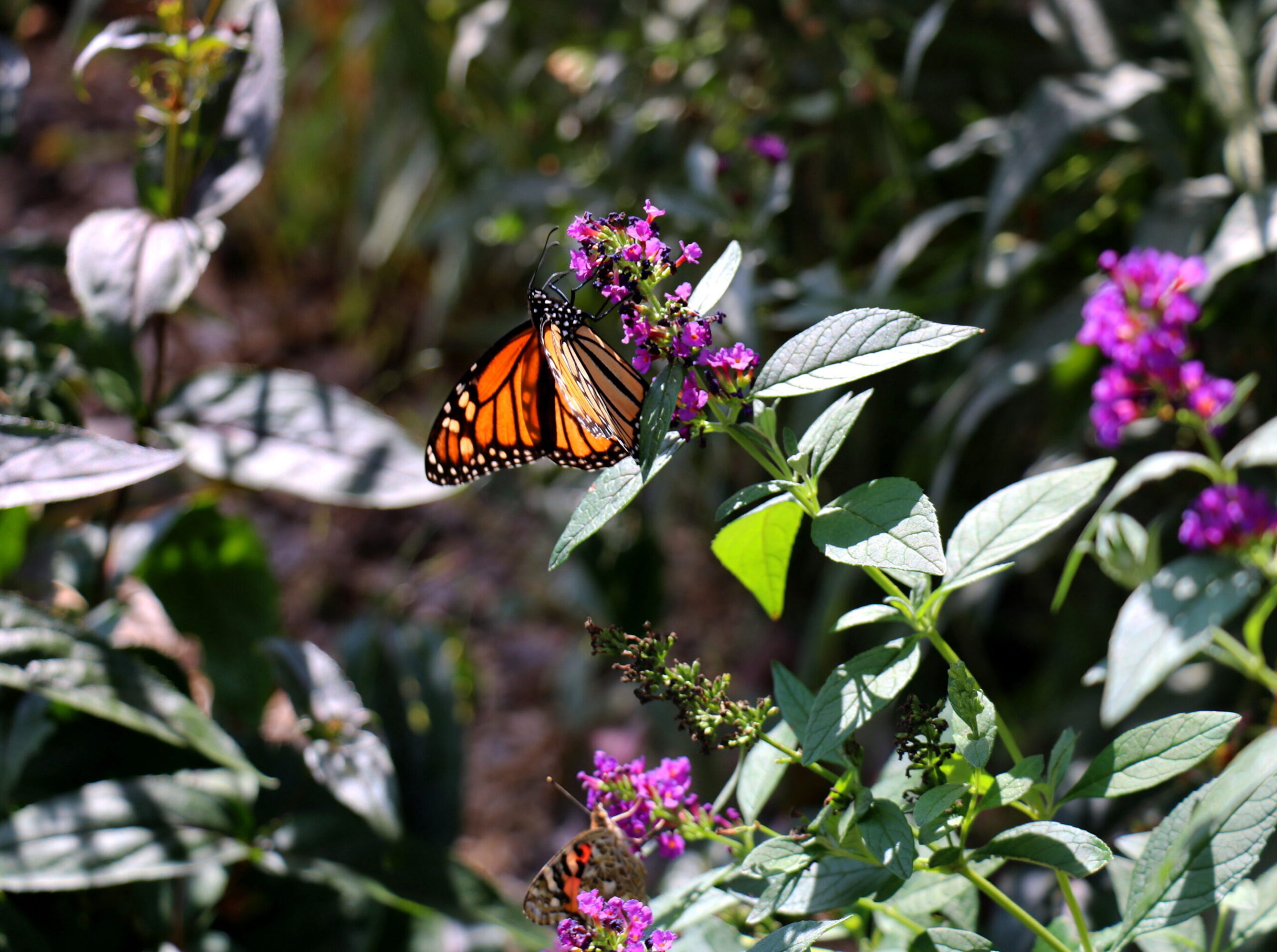
Bee City USA® and Bee Campus USA work to galvanize communities to sustain pollinators, in particular the more than 3,600 species of native bees in this country, by increasing the abundance of native plants, providing nest sites, and reducing the use of pesticides. Bee City USA and Bee Campus USA are initiatives of the Xerces Society for Invertebrate Conservation.
LINK: Learn More
Bring Back The Pollinators

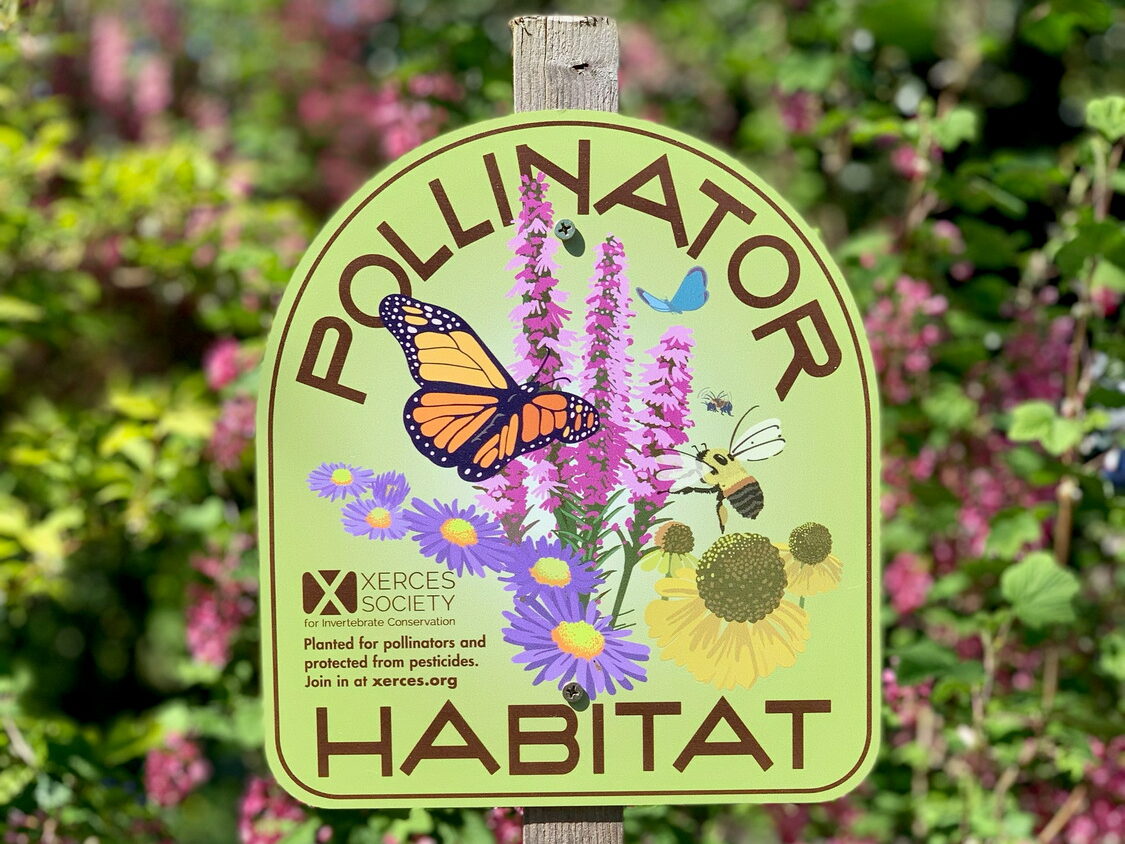

The pollinator protection pledge is part of the Xerces Society’s Bring Back the Pollinators campaign, which is based on four simple principles: Grow pollinator-friendly flowers, provide nest sites, avoid pesticides, and spread the word. With these core values, pollinator conservation can be adapted to any location, whether you tend an urban community garden or a suburban yard, work in a city park or on a farm.
LINK: Bring Back the Pollinators
LINK: Learn More

Notice: Below is a list of 10 important links included on this page.
1. Meet the requirements of our production standards
7. Learn More
8. Learn More
10. Learn More
Please note that while screen readers have made significant strides, they may still lack full support for optimal web accessibility.
Better for Bees, Better for the Planet
The Bee Better Certified® program works with farmers of operations both large and small to utilize regenerative agricultural practices that protect biodiversity, improve soil health, and mitigate impacts from the use of pesticides.
Bee Better Certified farmers grow an array of crops: from almonds to blueberries, vegetables, apples, wine grapes, and more. Certified farmers agree to meet the requirements of our production standards and have their pollinator protection measures verified by an independent third-party.
Farm-level certification is renewed (including inspection) every three years, and the licensed use of the Bee Better Seal on packaging is audited annually to protect the integrity of Bee Better Certification.
Certified Products
Image: SilkⓇ
Reflecting the deep concern for declining biodiversity and a changing climate, a growing number of farmers and companies are turning to Bee Better Certified to adopt biodiversity focused regenerative agricultural practices throughout their supply chains.
We thank Bee Better Certified farmers, processors, supply-chain professionals, brands, and third-party certifiers for their commitment to supporting pollinators and making better places for bees within our agricultural systems.
The following companies now offer products that carry the Bee Better Certified seal which denotes that their products contain Bee Better Certified ingredients.
Please note that we do not sell, distribute, or promote the products. This list is simply to highlight—and celebrate!—the companies at the forefront of this rapidly growing movement.
Other Ways You Can Help
Community Science
Community science (sometimes referred to as “participatory science” or “citizen science”) is a form of research that provides everyone—regardless of their background—an opportunity to contribute meaningful data to further our scientific understanding of key issues.
By engaging community members, researchers can collect a larger amount of data, and often span more geographic regions, in a shorter amount of time. In turn, this data informs larger conservation efforts. It’s also a great opportunity for participants to learn more about species that interest them. It’s a win-win situation for all of us—including invertebrates!
Bee City & Bee Campus USA
Bee City USA® and Bee Campus USA work to galvanize communities to sustain pollinators, in particular the more than 3,600 species of native bees in this country, by increasing the abundance of native plants, providing nest sites, and reducing the use of pesticides. Bee City USA and Bee Campus USA are initiatives of the Xerces Society for Invertebrate Conservation.
Bring Back The Pollinators
The pollinator protection pledge is part of the Xerces Society’s Bring Back the Pollinators campaign, which is based on four simple principles: Grow pollinator-friendly flowers, provide nest sites, avoid pesticides, and spread the word. With these core values, pollinator conservation can be adapted to any location, whether you tend an urban community garden or a suburban yard, work in a city park or on a farm.